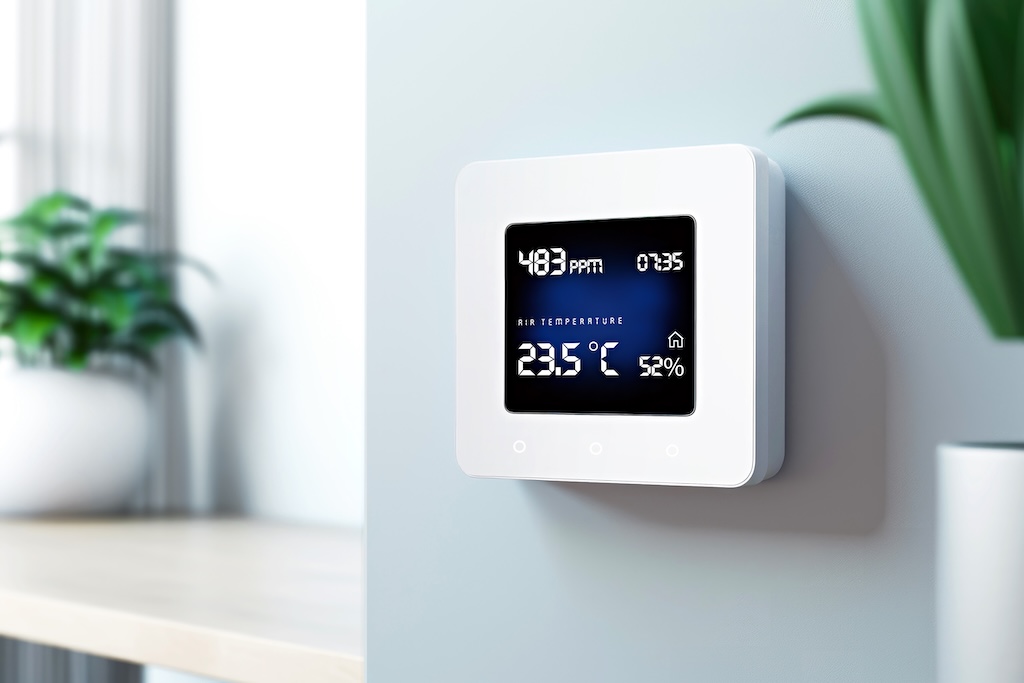
Gain the Edge: How Edge-with-Cloud strategies can transform your BMS

The Edge-with-Cloud architecture is revolutionizing the way building management systems (BMS) operate, bringing about enhanced efficiency, scalability, and return on investment (ROI). As real estate management increasingly embraces digital transformation, these cutting-edge technologies offer a powerful solution for handling the complexities of modern smart buildings.
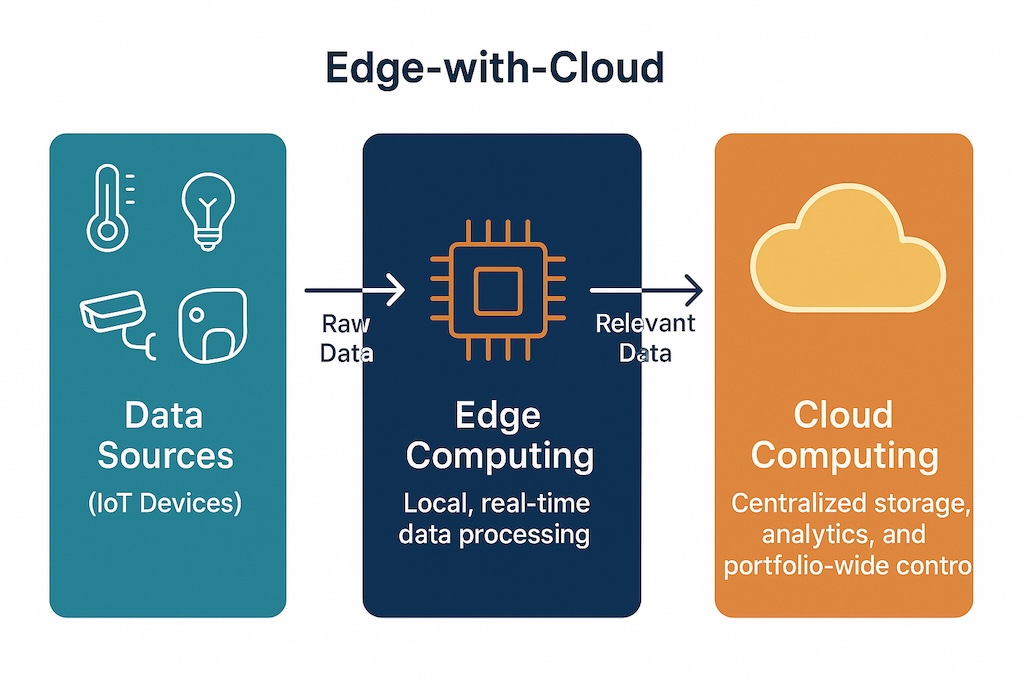
Edge computing involves processing data close to source; in the context of proptech this typically refers to sensors with on-device processing capacity. Clouds offer centralized, non-physical data centers for storage & processing of vast quantities of data. In this article we explore how Edge-with-Cloud significantly enhances BMS, and how GrydSense has incorporated these technologies into its state-of-the-art proptech solutions.

The proliferation of smart solutions and IoT devices has created a data-rich environment in modern real estate. However, traditional BMS struggle to make the most of this data. A smart building strategy should ensure holistic use of all data, low-latency real-time response, good scalability of technology, data privacy & security, and enhanced ROI. How do Edge devices and Cloud platforms help in this regard?

1. Data Aggregation and Normalization

Thanks to the myriad SILOed smart solutions – often poorly integrated with BMS – harnessing data effectively can become a challenging task. Data is generated in a variety of non-standardized types, formats, time intervals. With preprocessing at the Edge, this varied data can be normalized into uniform packets which enables effective further processing for actionable insights. Alternatively, Cloud-based platforms can use Artificial Intelligence (AI) to standardize incoming raw data into a usable format.
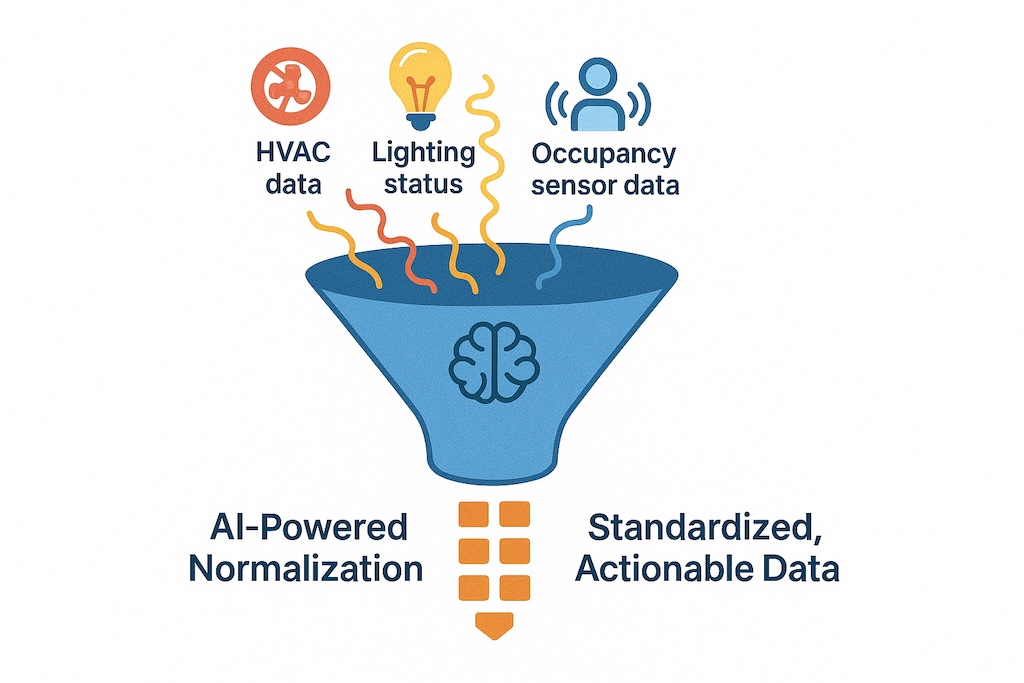
Data preprocessing and normalization helps BMS increase compatibility with different smart building infrastructures and solutions, which is especially critical in a highly fragmented and compartmentalized market. GrydSense’s Cloud-based integration approach uses AI as a middleware to standardize sensor data, ensuring wide compatibility with third party devices; preventing vendor lock-in; and enabling portfolio-wide analysis, insights, and control.

2. Improved Response Times

In traditional building setups, system response is often static, relying on presets or manual intervention. With the introduction of AI platforms BMS can process data in real-time, reducing system response times and increasing efficiency. Edge computing takes this even further, processing time-sensitive data at the source itself to enable live response.
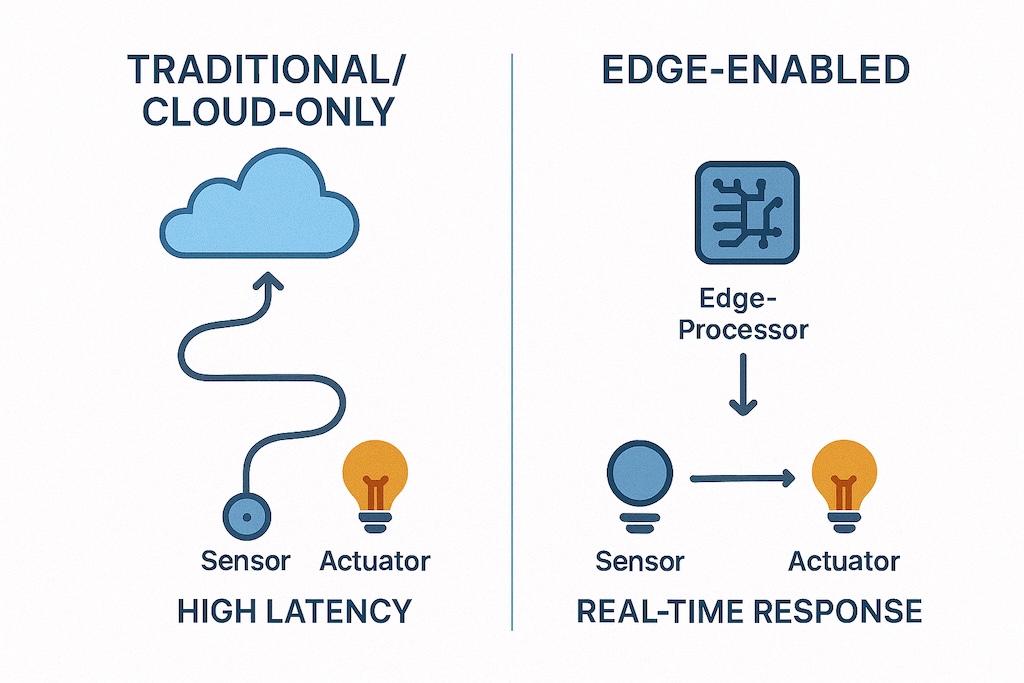
GrydSense uses AI/ML at the Edge to calculate space occupancy, enabling the on-premises processor’s AI capability to actuate immediate responses for occupancy-based HVAC, release ghost room bookings, update live displays for choice seating, and more. This holistic real-time approach not only upgrades occupant experience but also brings energy savings (up to 28% for HVAC; 50% for lighting) and improvements in space utilization efficiency (up to 30%).

3. Scalability

As the demand for smart buildings and energy-efficient solutions grows, so does the volume of data generated by sensors, devices, and systems within a building. BMS based on physical servers face severe constraints on expansion. Cloud computing offers the scalability needed to manage this data effectively. Edge computing ensures that only relevant, preprocessed data is sent to the cloud, reducing the need for expensive storage and bandwidth.
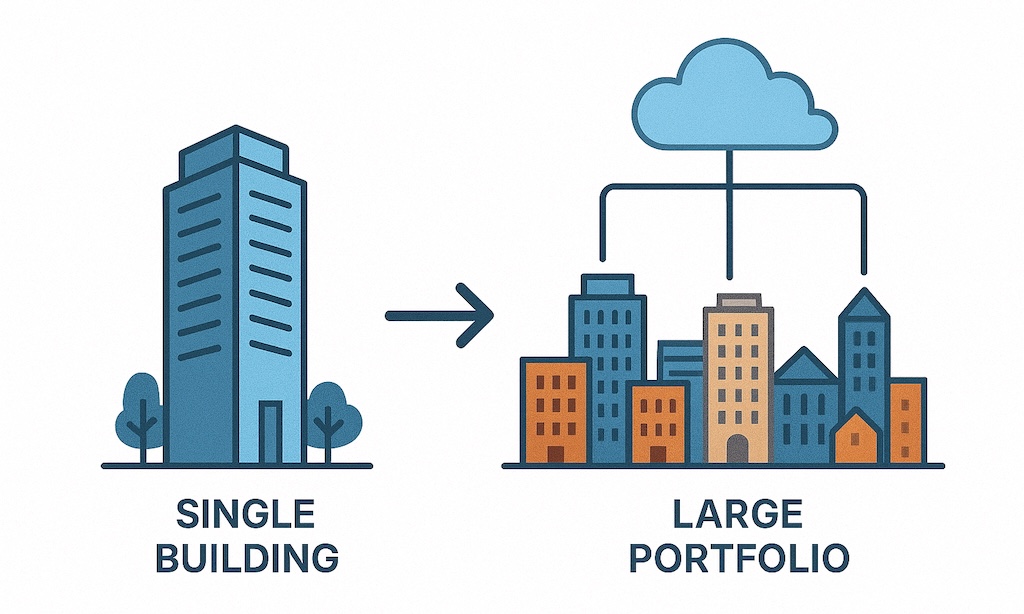
This distributed approach enables platforms like GrydSense to scale easily across multiple buildings or even large property portfolios without overwhelming the Cloud infrastructure. Further, GrydSense’s AI-driven technology integration ensures high retrofittability, enabling scaling across older building stock and brownfield projects.

4. Data Privacy and Security

Real estate managers and building owners are often tasked with ensuring that the data gathered through BMS remains secure and complies with privacy regulations. When data is sent to a central Cloud server, it can be vulnerable to cyberattacks or breaches if not properly encrypted or secured. However, by leveraging Edge computing sensitive data can be processed locally, reducing the need for frequent data transmission to the Cloud. This minimizes the potential attack surface and adds a layer of security by ensuring that only necessary, non-sensitive data is sent to Cloud servers.
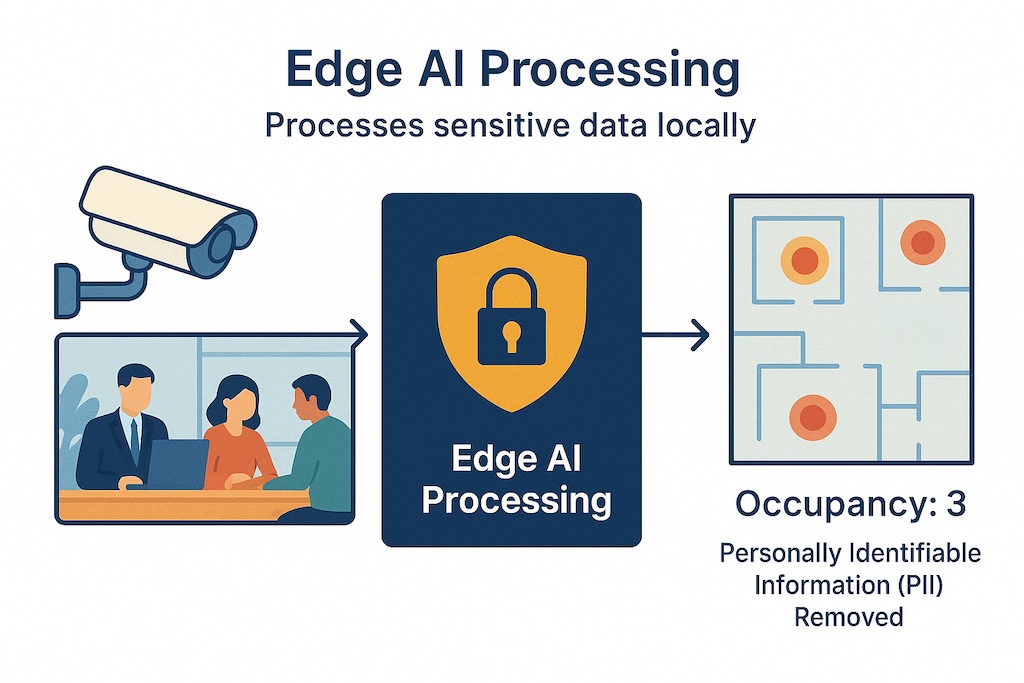
GrydSense’s high accuracy occupancy sensors, based on human footprint recognition, use AI/ML-powered image processing at the Edge. This ensures minimum exposure of Personally Identifiable Information and at-source anonymization of data.

5. Enhanced ROI

The integration of Edge and Cloud computing delivers significant ROI. By improving operational efficiency through faster response times and reduced energy consumption, building managers can significantly lower operating costs. Edge computing minimizes the need for heavy Cloud bandwidth and storage, lowering ongoing operational costs. Predictive maintenance powered by Cloud analytics ensures that equipment failure is minimized, extending the life of critical systems and reducing costly repairs.
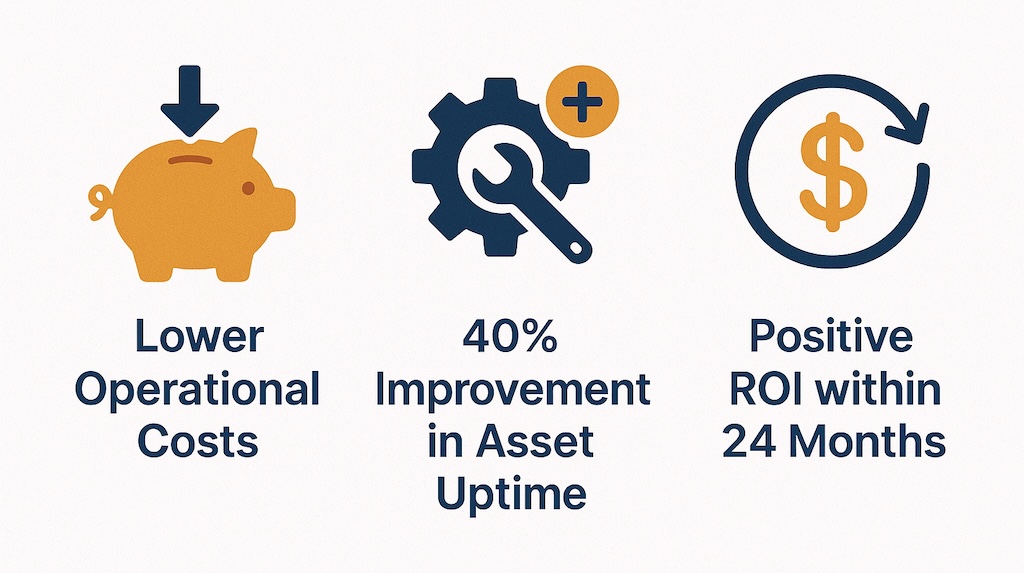
GrydSense’s use of Edge computing and Cloud-based integration & analytics has improved smart solution effectiveness by up to 50%, with 75% lower costs, and return on investment within 24 months. Equipment management based on long-term data analysis helps GrydSense clients improve asset uptime by 40%.

Conclusion

Efficient, scalable, retrofittable strategies for de-carbonization of buildings are the need of the hour. Edge-with-Cloud platforms are coming to the fore, reshaping BMS by improving data standardization, reducing response times, increasing scalability, ensuring data privacy & security, and driving a higher ROI.

As an early adopter of Edge-with-Cloud, GrydSense has helped top MNCs upgrade their global portfolios for de-carbonization, sustainable & efficient operations, space optimization & planning, and employee well-being. With real-time, intelligent, closed-loop systems real estate is stepping into the world of sustainable self-managing buildings, and companies like GrydSense are leading the way.

The Evolution and Challenges of Co-Working and Flex Spaces: A PropTech Solution

The workspace landscape has undergone a profound transformation over the past decade. With the rise of remote work, the gig economy, and technological advancements, traditional office spaces have given way to more flexible, dynamic environments such as co-working and flex spaces. These innovative spaces offer businesses and professionals the flexibility to choose work environments that best suit their needs, whether it’s a hot desk for a freelancer, a private office for a start-up, or a Global Capability Centre (GCC) for a multi-national corporation.

Co-working spaces, which began as a niche market, have grown exponentially, offering shared spaces where individuals from different organizations can work side by side, fostering collaboration and networking. On the other hand, flex spaces provide adaptable commercial real estate that can be easily reconfigured to meet the changing needs of tenants, from individual workstations to large meeting rooms or even warehouse spaces.

However, as the demand for these spaces grows, so do the challenges faced by real estate owners and operators. Managing these dynamic environments efficiently while meeting the diverse needs of users requires innovative solutions. This is where PropTech solutions like GrydSense Omnos come into play, offering cutting-edge solutions to streamline operations, optimize space utilization, and enhance the overall user experience.

Challenges in Managing Co-Working and Flex Spaces

The growing popularity of co-working and flex spaces has brought several challenges to the forefront for real estate owners and operators:

1. Space Utilization and Management: One of the biggest challenges is optimizing space utilization. With the diverse needs of different tenants, ensuring that spaces are used efficiently without overcrowding or underutilization can be difficult. Real-time monitoring and management of space usage are critical in ensuring that these spaces meet the needs of their users. According to a 2023 survey by JLL, 41% of co-working space operators cited space utilization as a significant challenge, underscoring the importance of effective space management solutions.

2. Energy Management: Co-working and flex spaces often operate on a 24/7 basis, with different areas of the space being used at varying times. This makes energy management a significant challenge, as operators need to ensure that spaces are adequately heated, cooled, and lit without wasting energy. Effective energy management not only reduces operational costs but also aligns with the growing demand for sustainability in the real estate sector. Research by CBRE indicates that energy costs account for approximately 20% of the operating expenses in co-working spaces, making energy management a critical area for cost savings and sustainability.

3. Facility Management and Maintenance: Managing the facilities and ensuring they are always in top condition is another challenge. This includes everything from maintaining the cleanliness of the space to ensuring that all equipment and amenities are functioning correctly. The complexity increases with the size of the space and the number of users. Preventing equipment breakdowns and reducing downtime are essential to maintaining a seamless user experience.

4. Security: With the open nature of co-working and flex spaces, security is a significant concern. Operators need to ensure that only authorized individuals have access to certain areas and that data and assets are protected against unauthorized access. This becomes particularly challenging as more people use the space, each with varying levels of access and security needs. The question of cyber-security becomes especially acute for GCCs which can become a goldmine for sensitive and valuable data.

5. User Experience and Satisfaction: Ultimately, the success of a co-working or flex space depends on the satisfaction of its users. Providing a seamless, enjoyable experience is critical in retaining tenants and attracting new ones. This includes everything from the ease of booking a space to the availability of amenities and the overall atmosphere of the space. As the demand for flexible office space continues to rise, with 67% of companies planning to increase their use of these spaces over the next three years, the importance of delivering an excellent user experience cannot be overstated.

6. Well-Being: In our era of global pandemics and public health emergencies, well-being in indoor spaces has assumed special importance. Studies suggest pollutant concentration is up to five times higher indoors than outdoors. A worker exposed to excess PM2.5 will suffer an annual sickness-induced loss of 27 man-hours for every 1 PPB above the safe level. Exposure to high levels of CO2 can also cause up to 50% decline in complex strategic thinking ability. Attracting tenants to shared spaces has become critically dependent on the provision of healthy work environments with high indoor air quality (IAQ).

The Role of PropTech in Addressing These Challenges

PropTech, or property technology, has emerged as a key enabler in addressing the challenges faced by co-working and flex spaces. By leveraging advanced technologies such as IoT (Internet of Things), AI (Artificial Intelligence), and big data, PropTech solutions like GrydSense provide real estate owners and operators with the tools they need to manage these spaces more effectively.

GrydSense: A Comprehensive Solution for Co-Working and Flex Spaces

GrydSense offers a truly integrated solution that addresses the pain points associated with managing co-working and flex spaces. The platform combines spatial intelligence, energy management, and facility management into a single, unified system, providing real-time insights and control over the entire space.

1. Optimizing Space Utilization: GrydSense’s platform enables real-time tracking of space utilization, allowing operators to see which areas are being used and which are not. This data-driven approach allows for more effective space planning and optimization, ensuring that every square foot is used efficiently. The platform’s analytics and recommendation engine also provide insights into how spaces can be reconfigured or adjusted to meet changing demands. For GCCs looking to expand to 2nd and 3rd-tier cities, GrydSense’s uniquely scalable zero-CapEx model can minimize real estate risks and maximize returns.

2. Enhanced Energy Management:

The GrydSense platform integrates smart lighting, HVAC controls, and environmental monitoring to optimize energy usage across the space. The system automatically adjusts lighting and temperature based on occupancy and usage patterns, reducing energy waste and lowering operational costs. The integration of smart technologies, such as those offered by GrydSense, can lead to energy savings of up to 30%, further emphasizing the value of PropTech in this sector. This is vital for environment-conscious corporate giants looking to maintain sustainability in agile offshore operations.

3. Streamlined Facility Management:

GrydSense offers a comprehensive facility management solution that covers everything from routine maintenance to advanced monitoring of equipment and systems. The platform’s smart maintenance capabilities help direct cleaning teams as per demand thus reducing downtime, preventing redundant effort, and ensuring that facilities are always in top condition. Additionally, the system integrates with booking platforms, allowing for seamless coordination of space reservations and facility usage.

4. Robust Security: Security is a top priority for GrydSense, which offers advanced features like real-time monitoring and equipment tagging to protect users and assets. The platform’s security measures ensure that only authorized individuals have access to specific areas. Human footprint detection and directed maintenance ensures workdesks remain clear and any personal or sensitive objects left behind are collected for safe return.

5. Enhanced User ExperienceGrydSense places a strong emphasis on user experience, offering features such as personalized comfort settings, ambient intelligence, and real-time feedback mechanisms. Users can easily book spaces, adjust settings to their preferences, and provide feedback on their experience, all through a user-friendly interface. This focus on user experience helps increase occupant satisfaction and retention; in particular assisting high-pressure workplaces like GCCs handle talent attrition.

6. Improved Well-Being:

GrydSense’s multi-variable environmental sensor helps the platform monitor parameters affecting IAQ such as CO2, PM 1/2.5/4/10, TVOC, and noise. This real-time data integrated with networked HVAC systems creates autonomous self-correcting spaces that maintain IAQ within acceptable levels at all times. GrydSense’s indoor well-being module has been reported to improve IAQ by up to 15%, helping occupants avoid sickness and sick-days and improving productivity.


The rise of co-working and flex spaces represents a significant shift in how we approach work and commercial real estate. While these spaces offer unparalleled flexibility and adaptability, they also present unique challenges that require innovative solutions. PropTech, and specifically GrydSense, offers a comprehensive platform that addresses these challenges head-on, providing real estate owners and operators with the tools they need to optimize space utilization, manage energy efficiently, streamline facility management, and enhance the overall user experience.

As the demand for co-working and flex spaces continues to grow with the rise of GCCs, the adoption of PropTech solutions will be essential in ensuring that these spaces meet the needs of both tenants and operators. By leveraging advanced technologies and data-driven insights, GrydSense is helping to shape the future of flexible workspaces, creating environments that are not only efficient and sustainable but also enjoyable and productive for users.

Smarter Buildings: How AI can add value to a Smart Building

Smart buildings are revolutionizing the way we interact with our built environments, leveraging cutting-edge technology to enhance efficiency, comfort, security, and sustainability. The advent of large-scale low-cost data collection, excellent connectivity, and networked equipment has seen this market experience phenomenal growth, particularly in the Indo-Pacific region. Pooling together data from different insightful sources enables building managers to make better decisions with better outcomes.

In this article we explore the next frontier in smart building innovation: artificial intelligence (AI), which promises to take these advancements to new heights. With AI and its integration into smart buildings oceans of data can be effortlessly analyzed, sophisticated actuations can be performed, and operations can be dramatically improved in terms of space use, energy efficiency, and occupant experience – all while minimizing human intervention.

Legacy Smart Buildings

Legacy smart buildings, pre-dating AI, still represent a significant advance in intelligent operations over brick-and-mortar structures. Typically these systems require manual intervention to overcome their shortcomings, and tend to be reactive and static rather than anticipatory and truly intelligent:

1. Basic Automation: Legacy smart buildings typically have automation systems for controlling lighting, HVAC (heating, ventilation, and air conditioning), and sometimes security systems. These systems often operate on pre-set schedules or simple triggers.

2. Limited Integration: These systems might not integrate well with each other. For example, the lighting system might not communicate with the HVAC system, leading to inefficiencies.

3. Static Control: The control systems in legacy smart buildings are usually static, meaning they don’t adapt or learn from patterns of use. They follow a fixed set of rules without much room for adjustment based on real-time data or occupancy.

4. Energy Inefficiency: Energy management might not be optimized, as legacy systems often rely on basic schedules rather than real-time data to adjust energy use.

5. Manual Intervention: Maintenance and adjustments often require manual intervention or specific programming changes, which can be cumbersome and slow.

AI-Powered Smart Buildings

AI within smart buildings allows for more integrated operations and closer cohesion between information, analysis, and action. Such buildings can come to life being sensitive to real-time data, being cognizant of past data, having predictive ability, and automating actions based on such analyses:

1. Adaptive Learning: AI-powered smart buildings use machine learning algorithms to learn from occupants’ behavior and adapt systems accordingly. For example, an AI system might understand the usage patterns of conference rooms or activity-based work settings and adjust the local lighting and temperature as per the expected trend.

2. Integrated Systems: AI harnesses data from various systems within a building, allowing for more cohesive and efficient operation. For example: AI evaluates outdoor data like temperature, CO2, precipitation; indoor data relating to occupancy and CO2 levels; and balances energy efficiency and occupant experience to decide the optimum airflow.

3. Optimized Energy Management: AI can optimize energy use by analyzing real-time data from various sensors and making adjustments on the fly. This can lead to significant energy savings and reduced operational costs. For example, it might use weather forecasts to adjust heating or cooling in advance.

4. Improved Space Utilization: AI can analyze how different spaces and work settings (in offices) are used and provide insights for better space management. Space utilization analysis can be useful in informing important capital decisions like renting / leasing, and re-design or re-stacking of existing space to improve efficiency.

5. Real-Time Analytics: AI-powered smart buildings can provide real-time analytics and insights into building performance, allowing for more informed decision-making and quicker responses to issues.

On-boarding New Technologies into Buildings

The process of bringing in and integrating new technologies into existing smart building systems can be difficult. In the smart proptech market many solutions are currently offered in silo-ed form, self-contained and lacking adequate integration with building management systems. Further, new technology innovations and insightful data sources are constantly being brought to market, which may or may not remain compatible with older building systems. Thus, on-boarding new technology often requires laborious manual intervention in the form of configuration, calibration, and addressing mismatches in communication protocols and data formats.

With AI, new devices and solutions can be seamlessly integrated into the existing system, automatically and without manual oversight. E.g.

Configuration: AI systems can automatically configure new devices as per their company pre-sets.

Calibration: AI can use historical building data to calibrate new systems for operation in the local environment.

Integration: AI can act as a middleware between the new devices and the existing system, providing translation between different communication protocols and converting new data streams into the existing standard.

Centralization: AI systems can also standardize the analysis and presentation of data. Thus new data streams brought online are collated with existing streams to provide the user with a comprehensive insight on building performance.

Conclusion

Our built environment has a critical role to play in addressing global concerns; whether they be financial concerns of owners relating to cost and energy use, experiential and well-being concerns of building occupants, or environmental concerns about global sustainability. AI-powered intelligent buildings represent the next step in the integration of smart technology into our daily lives to resolve these concerns.

Going beyond the data collection and simple automations offered by legacy smart solutions, AI integrates different systems, analyses data, adapts to real-time changes, and executes intelligent actuations. As AI continues to evolve, it will enable even greater levels of automation and intelligence, transforming smart buildings into adaptive, self-managing entities that respond intuitively to their environment and the needs of their inhabitants.

Links:

https://www.autodesk.com/solutions/smart-building

https://ourworldindata.org/artificial-intelligence

https://www.ibm.com/topics/machine-learning

https://www.buildings.com/resiliency-sustainability/health-wellness-iaq/article/10186020/occupant-experience-competitive-edge-for-commercial-properties

https://www.powermoves.com/2023/08/can-ai-improve-building-energy-efficiency/

https://grydsense.com/breaking-down-silos-with-grydSense-an-ai-powered-unified-platform.html

https://www.designingbuildings.co.uk/wiki/The_future_of_the_built_environment_in_a_revolutionary_age

Breaking Down Silos With GrydSense: An AI Powered Unified Platform

Digital transformation is being embraced by more and more organizations looking to streamline their facilities. The adoption of smart solutions for facility management has transformed how real estate is managed. However, the industry faces significant challenges due to the siloed and fragmented nature of current solutions, which result in inefficiencies, higher costs, and lack of real-time response.

In this article, we will explore the pain points of smart solutions and discuss how GrydSense offers a revolutionary data-driven solution. With the integration of real-time data, generation of actionable insights, real-time actuations of building systems, and the use of AI models to efficiently operate building equipment like chillers, AHUs, etc. GrydSense brings a whole new level of intelligence and optimization to real estate spaces.


The Current Industry Landscape: Fragmentation and Inefficiencies

The real estate and property management industry has seen an influx of smart solutions aimed at improving various aspects of building management, such as energy efficiency, occupancy tracking, and environmental monitoring. However, these solutions are often deployed in isolation, creating a fragmented ecosystem that fails to fully leverage the potential of the system. This silo-ed approach leads to several key issues:

1. Lack of Real-Time Actuation: Traditional BMS stacks are not designed to respond to real-time occupancy data. This limitation means that even when data is collected, it is not utilized effectively to make immediate adjustments to building systems like HVAC, lighting, or space utilization

2. Geographical Limitations: Many existing systems are localized, meaning they are only effective within a specific geographical area. This limitation hinders the ability to scale solutions across multiple locations, further complicating management and increasing costs

3. Data Silos: Different solutions often operate independently of one another and are isolated from existing BMS platforms. This lack of integration results in data being trapped in silos, making it difficult to standardize and analyze across systems

4. High Costs: The inefficiencies and fragmentation of current systems lead to significantly higher operational costs. According to industry reports, these inefficiencies can increase costs by as much as 75%.


The Impact of Inefficient Data Utilization

The inability to efficiently utilize data in real time has far-reaching consequences. For instance, energy management systems that are not responsive to real-time occupancy data may lead to wasted energy and higher utility costs. Similarly, poor space utilization tracking can result in underused areas and workplace settings, which translates to unnecessary expenses for maintenance and utilities.

Moreover, the lack of standardization in data collection and analysis across different systems can lead to sub-optimal operations. Without a unified platform built on industry standards it becomes challenging to gain a comprehensive view of building performance, making it difficult to make informed decisions about energy use, space allocation, and overall facility management.


The GrydSense Solution: A Unified, AI-Powered Platform

GrydSense addresses these challenges by offering a unified, AI-powered platform that integrates data from various devices and systems into a single, cohesive ecosystem. This platform not only collects data in real time but also analyzes it to provide actionable insights and real-time feedback for optimizing building operations.

1. Real-Time Occupancy Tracking and Space Utilization: GrydSense’s platform integrates data from occupancy sensors and other devices to track space usage in real time. This data is then used to optimize space settings, ensuring that areas are used efficiently and reducing the need for excess real estate

2. Smart Lighting and HVAC Management: The platform also includes smart lighting and HVAC controls that respond to real-time occupancy and environmental conditions. This feature allows for dynamic adjustments that improve energy efficiency and occupant comfort

3. Comprehensive Environmental Monitoring: GrydSense provides tools for monitoring and managing indoor environmental conditions, including air quality, temperature, and humidity. These metrics are critical for maintaining a healthy and comfortable indoor environment, particularly in commercial spaces

4. Integration with Existing BMS and Third-Party Solutions: One of the standout features of the GrydSense platform is its ability to integrate seamlessly with existing BMS platforms and third-party solutions. This integration ensures that data from various sources is standardized and can be analyzed holistically, providing a complete picture of building performance

5. AI-Assistant: The GrydSense platform provides various AI assistants to perform seamless facility management. AI assistant models are built and continuously improved to maintain an efficient facility with enhanced occupant experience and sustainable operations moving towards de-carbonization. GrydSense models give the highest priority to the experience of real estate occupants, followed by energy optimization. Such AI assistants aid in faster adoption of smart systems into the buildings and eliminate any human oversight into handling building equipment.


Quantifiable Benefits of the GrydSense Platform

The GrydSense platform delivers significant benefits that translate into measurable improvements in building management:

1. Increased Effectiveness: By integrating various systems and providing real-time feedback, GrydSense improves the effectiveness of building management by 50% compared to traditional systems

2. Reduced Costs: The platform’s ability to optimize operations leads to a 75% reduction in costs, making it a cost-effective solution for managing large-scale facilities

3. Faster Deployment: GrydSense’s pre-integrated product models and AI-driven data analysis significantly reduce commissioning times, allowing for quicker deployment and faster realization of benefits

Conclusion

The challenges posed by the current silo-ed smart systems and BMS solutions in the real estate industry are significant, leading to inefficiencies, higher costs, and sub-optimal operations. GrydSense offers a comprehensive solution that not only integrates data from various sources but also provides real-time, actionable insights that drive efficiency, reduce costs, and enhance sustainability.

As the industry continues to evolve and the need for integrated data-driven solutions grows, platforms like GrydSense will play a critical role in shaping the future of real estate management, making buildings smarter, more efficient, more responsive to the needs of their occupants, more attuned to ESG and other sustainability compliance standards, and setting the foundation for future innovations.

Make your Property a Magnet for Tenants with GrydSense

The real estate landscape is undergoing a monumental shift, primarily due to changing work models, enhanced expectations for indoor well-being, and sustainability concerns. At the heart of this transformation is the integration of smart technology, which offers a compelling proposition for both attracting and retaining tenants. This article delves into how GrydSense – a pioneer in property technology – leverages its unified, AI-powered, data-rich analytics with its own set of globally patented integrated AI-enabled sensors Omnos to redefine the real estate experience, making properties not just spaces but intelligent ecosystems responsive to their occupants’ needs.

What do Tenants want from Real Estate?

survey of top corporate leaders shows hybrid work and operations have entrenched themselves across the business world – 73% of them having adopted a hybrid remote / onsite work policy. From the perspective of occupants, health and well-being in enclosed spaces remains a priority in the aftermath of the pandemic. At a global level, enterprises are being incentivized to adopt green and sustainable commercial operations – with 42% of global annual CO2 emissions coming from buildings. Dramatic disruptions and changes have produced the result that the vast majority – 77% – of C-suite decision makers have deployed or are considering hi-tech investments for their offices. Such are the trends that inform the preferences of enterprises seeking commercial real estate today.

How does GrydSense help you attract tenants?

GrydSense transforms client real estate into smart space by providing outcome-generating analytics from a proptech layer consisting of our industry-first unified AI-enabled platform complemented with in-house patented AI-integrated sensors. The business outcomes include helping enterprises / REITs to: optimize usage of space within their existing real estate in the age of hybrid operations, optimize energy efficiency and achieve de-carbonization goals for landlords and tenants, make building spaces environmentally friendly, ensure the well-being of employees at work, and enhance tenant experience. REITs / landlords can use GrydSense’s integrated proptech solution to market their buildings better, an essential part of strategy in today’s age and time globally.

Space Management for Hybrid Workplace

Businesses are seeking to optimize their real estate for the part-remote, part-onsite hybrid scheme of work. Occupancy sensors and their data, when integrated into space management software, help create agile spaces suitable for hybrid operations. Analysis of and insights from space use data can transform the workplace in terms of:

a) ideal proportion of assigned and unassigned spaces
b) provision and evaluation of diverse work settings
c) determination of ideal size and number of meeting rooms
d) seamless access to space for employees through booking apps
e) improved collaboration between employees and teams with choice seating
f) lower overall costs of operation with reduction in energy costs and long-term space requirements

GrydSense’s cloud-based AI analysis algorithm with Generative AI interface recommends spatial configurations on the basis of usage data. With intelligent hybrid-ready spaces, enterprises can efficiently manage real estate, align with modern work trends, and attract employees back from remote work.

Energy Management

Up to 30% of energy used in commercial buildings is wasted. Energy-intensive systems such as HVAC or lighting need to be coupled with real-time occupancy of any building, especially in today’s hybrid mode of operations. With dynamic responsiveness to changing foot-fall, businesses can ensure greater operational efficiency. GrydSense’s Integrated solution stack just does that, helping Building Operation teams manage units in the most efficient manner.

How does GrydSense enhance Tenant Experience?

Tenants today have greater expectations from indoor office spaces in terms of safety and well-being, for understandable reasons following the pandemic. Further: flexible, seamless, and purpose-driven workplaces are important for employee satisfaction. GrydSense’s multi-variate environmental sensors creates a smart ambience for enhancing occupant experience.

Tenant Well-being

Indoor Air Quality: Exposure to elevated levels of CO2 can reduce cognitive activity by 15%. Environmental sensors can monitor the concentration of CO2, particulate pollutants, TVOCs, etc. and assess the quality of indoor air. This data is integrated with smart HVAC systems, to ensure all these parameters stay within acceptable levels for a healthy indoor experience.

HVAC: Constant human traffic can cause rooms to be uncomfortably over-cooled, or inadequately cooled. GrydSense integrates real time occupancy data with HVAC control algorithms, ensuring a consistent experience.

Visual Experience

Lighting: Workers are found to be more productive when exposed to natural light, studies show. GrydSense’s integrated sensors Omnos not only controls the lighting based on real-time occupancy, helping optimize use of lighting energy; our in-built technology also detects ambient lux levels and adjusts artificial lighting to take advantage of external daylight. Human-centric algorithms for Circadian lighting ensure office light levels align with body-synchronization, reducing visual fatigue.

Tenant Journey

Smart Parking: Our integrated parking management system GrydPark deployed in car-parks ensures tenants enjoy a stress-free beginning to the workday. Real-time data informs drivers about vacant lots, reducing lot-to-desk times. The camera-based system also assists in enhancing security in car lots, protecting car owners from vandalism and theft.

How does GrydSense strengthen Tenant Retention?

Having attracted tenants, landlords / REITs must then compete with peer-level technology-enabled space operators to retain them. With GrydSense landlords can offer data-driven value-added services which can greatly promote tenant loyalty and retention.

Tenant Feedback: Experiential engagement apps, integrated with sensorized spaces, permit tenants to assess and critique their workspace; this helps management better understand tenant needs, and builds a sense of community.

Smart Maintenance: With analysis of human use footprints, GrydSense sensors can detect the sections of the property that require maintenance and direct cleaning teams accordingly. This reduces the disruption, time, and cost of facility management for businesses.

In conclusion, the global trend and need of the hour is retrofitting existing real estate with holistic proptech solutions that complement existing building infrastructure, and planning new buildings that integrate such technologies from the design phase onward. Smart proptech integration is not just a trend but a fundamental shift in real estate towards creating more adaptive, efficient, and occupant-friendly environments. As the hybrid workplace model becomes the norm, the ability to attract and retain tenants will increasingly depend on how well buildings can adapt to these changing demands. GrydSense’s innovative single unified stack approach makes it easier for landlords / REITs and enterprises to retrofit their existing buildings making them more operationally efficient and tenant-friendly. With our assistance landlords can digitally transform their existing portfolio, creating data-driven and outcome-based real estate in the age of AI and GenAI -based technology.

AI can help your office navigate modern trends

The commercial and business world has experienced great disruptions in recent times. We have just endured a global pandemic demanding unprecedented actions and emergency measures; our response to the public health crisis triggered a global financial crisis, the biggest since 2008. Communication technologies have progressed leaps and bounds to 5G/6G networks, ubiquitous smartphones, and superfast internet; work culture has changed dramatically to take advantage of new technologies. All the solid foundations and certainties believed necessary for successful business have faded away; while new tools have emerged to help corporations navigate instability. The digitalization of human information, advanced computing power, and rapid networks have birthed one particular solution that is indispensable for the modern age: Artificial Intelligence (AI).

AI harnesses data, processing power, and analysis to enhance the decision-making process for businesses. Whenever corporations grapple with weighty choices depending on mass information and multi-factor analysis, computer algorithms can help. On every aspect from asset acquisition; to business ‘right-sizing’; to employee hiring; to equipment scheduling, AI has left its mark on the commercial space. Now with the transformative pressures being applied to the real estate industry, AI has also found application in enhancing and optimizing commercial real estate (CRE).

AI in Modern CRE

With a rapidly changing business environment, new demands are being placed on commercial real estate. What used to simply be premises for a commercial entity is now expected to help firms deal with turbulent markets, destabilizing trends, and progressive government regulations. The concept of hybrid operations has taken root with the advent of the pandemic – commercial real estate must adjust accordingly. With increasing environmental concerns and ambitious pledges towards decarbonization businesses are expected to adhere to environmental, social, and governance (ESG) goals. The built environment, accounting for 40% of global annual carbon dioxide emissions, is under scrutiny. Increasing instability in the commercial world comes alongside mushrooming opportunities. Companies expect modern CRE to cushion them from risks while also expanding agility to exploit possibilities.

Each of these challenges demands collection of vast quantities data, intelligent analysis, and informed decision-making. Here is where artificial intelligence steps in – let’s examine how AI can transform office space with respect to hybrid operations, decarbonization goals, and business risk mitigation.

Adjusting to Hybrid Operations

Hybrid operation refers to a scheme where employees operate flexibly from the physical premises, a remote office, or home depending on their work goals and convenience. This mode of work has increased in popularity since the pandemic regime of reduced mobility and physical contact. Hybrid operations poses some challenging questions for business owners: How to manage work schedules such that office space is being optimally used? How to ease collaborations between hybrid and onsite workers? How to ensure consistency in experience from the home office to the onsite office? AI/ML tools, analyzing sensor-collected utilization data, can provide insights and adjustments for these cases.

Scheduling

AI can work on utilization data to detect employee work patterns and predictable trends. This analysis can help generate worker schedules that avoid resource clashing within the workplace. In this way, business owners can optimally share office assets among onsite and hybrid workers and ensure ideal utilization of space.

Collaboration

By collating data for employee presence and space availability, AI algorithms can arrange frictionless collaborations of teams. Project teams in a hybrid workplace may comprise onsite and remote workers. Avoiding common problems like no-shows, room unavailability, and schedule conflicts is essential for a smooth collaborative experience; this can be enabled by AI.

Experience

AI-based tuning of the office environment can help hybrid workers feel as comfortable and productive at the onsite office as at home. Many businesses struggle with attracting remote workers back to the office, because of an inferior workplace experience. Personalized work settings and smart ambience, powered by AI crunching of employee preference data, can ensure a seamless journey for hybrid workers.

Achieving Decarbonization & ESG Goals

Amid increasingly concerning reports about the global climate and environmental destabilization, many international business and state actors have adopted sustainability goals. At the COP27 climate conference, high-profile brands such as PepsiCo and General Motors entered a commitment to decarbonize heavy industry and transport. By 2030, companies have pledged to use at least 10% low-carbon cement in a bid to reduce emissions.

Occupied commercial premises are high carbon consumers and represent a low-hanging fruit for responsible entities. By suggesting data-based solutions and reforms AI can help decarbonize real estate. Enabling hybrid and remote work, as discussed above, is already an important contribution made by AI in the fight for sustainability. But AI can help optimized offices decarbonize further by reducing energy wastage.

HVAC

HVAC systems account for 50% of total energy used in commercial buildings, and 10% of global electricity consumption. With real-time data accumulation and central control algorithms, HVAC systems can be operated autonomously. By ensuring systems only turn on when needed, dynamically adjust to occupancy load, and avoid over-cooling or over-heating through continuous environmental feedback, AI can help buildings cut down on heating/cooling related emissions.

Sensorized Light

Nearly 16% of all electricity in the world is consumed by commercial lighting. Instead of a single on/off switch, AI/ML systems can use ambient data to generate and control sensorized light. Lighting can dynamically vary its operating state, intensity, and hue in accordance to real-time information from sensors. By eliminating redundant lighting, smart sensorized light can save upto 40% of energy consumed for illumination and promote decarbonization.

Mitigating Business Risk

Enterprises are hesitant to make large capital investments in real estate in the present environment. How can AI make physical workplaces ‘worth it’ to businesses? By activating space flexibility, reducing operating costs, and promoting scalability. With the advent of AI-powered ‘flex spaces’ firms can take baby-steps into new markets without incurring too much risk. A further inducement is the reduction in operating costs which goes hand-in-hand with hybrid operations and decarbonization.

The most remarkable thing about AI, however, is its very low physical footprint. An AI solution for CRE could be implemented with cloud-based software and scalable, retro-fittable physical infrastructure. In uncertain markets where opportunities or threats require a rapid response, this is invaluable for businesses.

Conclusion

Major challenges lie ahead for offices and enterprise-owners. Increasing instability is predicted not only from the technological field but also from financial markets, public health, and employee culture. Fast decisions based on accurate analysis of data are essential for businesses to stay afloat and capitalize on favourable currents. In a world of work-from-home, office-less businesses, and strict regulation, artificial intelligence can help commercial real estate stay indispensable. By leveraging copious data offices can become smart, green, flexible and serve as foundations for the corporations of the future.

Why a clean desk policy is good for business

The workplace is evolving rapidly in response to changes and challenges in the modern world. Pandemic disruptions, uncertain markets, and new technologies have forced businesses to reconsider their use of office space. Rethinking of physical space comes with a rethinking of office workspace policy. As hybrid work, co-working spaces, and agile workplaces gain traction it has become necessary to improve office security, productivity, and sanitation by adopting new protocols – such as the clean desk policy.

A clean desk policy defines and enforces the state of a vacated work desk. Over the course of activity an occupant may populate the desk with work files, food and beverage containers, personal items, and general paper litter. As the name suggests ‘clean desk’ removes and cleans traces of occupation from a work desk, leaving it pristine and usable for the next occupant. A clean desk policy may involve instructions and reminders to desk occupants, monitoring of desk occupancy, and timely activation of maintenance teams.

Why a Clean Desk policy?

Clean desks have attained increased importance in the modern workplace. The vitality of employee experience has been acknowledged in many studies and surveys. Employees who have a positive and comfortable experience at the office are more likely to stay, put in more effort, and have greater productivity. Agility is another aspect businesses pursue with respect to the office space. Task-oriented repurposing of space helps companies accommodate a variety of work-settings with maximum optimization. With the rise of unassigned seating and co-working spaces, security deserves special attention. It is essential documents or devices containing sensitive information stay in the right hands. A policy of clean desks can help in each regard.

Experience
Clean desks reduce clutter, improve work hygiene, and generate a good experience at the workplace for employees. On average, an employee spends 4.3 hours a week searching for paper. An orderly workdesk contributes to peace of mind, reduces time wastage, and improves productivity.

Agility
Clean desks ensure vacated seats are ready-to-use for the next occupant or activity. With companies aiming for space optimization and high desk utilization, workdesks are liable to see near-constant use in a variety of settings. A clean desk policy ensures there is minimum idle time between consecutive occupancies.

Security
The policy ensures left-behind devices and documents are safely deposited for later collection. This feature is of particular importance in flex or co-working spaces where desks may be shared between different organizations. A clean desk policy, combined with a clear screen policy, prevents leakage of potentially sensitive data.

Technological Implementation

Currently clean desk policies are implemented manually via training and instruction of employees, spot checks to monitor compliance, and regular reminders on adherence. Often employees consider such a manual policy over-bearing. Technologies for remote viewing or sensing can continuously monitor occupancy; when vacancies are detected service teams may be notified and dispatched for clean-up. Such an automatic approach removes a burden from desk occupants and further improves their workplace experience.

Video cameras
CCTV system of cameras may be used to monitor workdesks remotely, noting occupancies and vacancies. Real-time information on a vacancy can be passed on to the maintenance team.

Ceiling mounted sensors
Occupancy sensors which detect human footprint can automate the monitoring process. Such sensors can distinguish between temporarily and permanently vacated seats, sending accurate notifications about which desks need a clean-up.

Smart support
Occupancy data can be integrated into a dashboard that could optimize maintenance services. A maintenance dashboard would inform the support team on which desks are unused, which desks are occupied, and which desks were occupied and subsequently vacated. Such ‘smart’ teams can direct clean-up efforts where required, reducing wastage.

Conclusion

In the modern workplace every single desk counts – it is assessed for value, measured for utilization, and optimized for output. This applies even more in co-working rental spaces where workdesks are assets whose returns must be maximized. Clean desk policies make emininent sense in this business reality. They help enhance the experience of a workdesk occupant, increase efficiency and security, and enable agile seating. With newer technologies clean desks can be implemented with low effort, high intelligence, and high accuracy.

Space Optimization: Streamlining Your Office Is More Important And Easier Than You Think

Offices and workspaces have experienced a decade of turbulence. While businesses and companies have always been challenged, never before have long-held certainties about physical commercial premises been so closely examined. With dramatic advancements in communication technologies and their rapid adoption, the proliferation of opportunities in the knowledge economy, and changing trends in the culture of work, the very floor under our feet is shifting. How much office acreage does your business need? How efficiently do you use your current space? How can you optimize your space use? In a world where multi-billion dollar companies operate entirely without physical premises, these are important questions.

Additionally, there are also social reasons to think about space use. At the recently concluded COP 27 summit in Egypt, the top economies in the world reaffirmed their commitment to ESG goals. The built environment is a major contributor to annual global CO2 emissions. Real estate space optimization, especially within an integrated system of internet of things (IoT) devices, presents a tremendous opportunity for businesses to cut down their emissions and meet green goals.

How Space Optimization works

Optimization solutions for commercial real estate (CRE) depend on collection and analysis of data. As occupants use and interact with space they generate usage data. Analysis of usage data can give CRE owners insight on revenue generating spaces and idle spaces, which can be maximized and minimized respectively. Space data also includes individual usage trends, which can be used to create personalized work spaces accommodating the work goals of every employee.

Sensor-based Tracking
Smart solutions for space optimization employ sensors collecting presence and utilization data. Occupancy sensors can tell a business owner whether a room or desk is occupied at any given moment, enabling insights into utilization of the general office space. A system of sensors installed in a meeting room can tell us how often the room is used, what the average size of meetings is, whether the room is most commonly used for presentations or discussions, and other valuable information. This data can influence workplace strategies, resource conflict avoidance, employee experience, and decisions relating to real estate acquisition. Such space sensing capabilities may also be bundled with temperature detection, humidity control, and lighting management to create a holistic solutions package.

Desk and Room Booking
Brought on by the CoViD pandemic and urban congestion and enabled by video conferencing software, flexible work has found favour with many employees. Surveys suggest an increasing segment of people expect flexible work settings from employers. This in turn means business owners have the opportunity to optimize their space for agile work. The principle is simple: utilization data integrated with employee experience software can help workers create flexible work plans based on the availability of spaces, work goals, and presence of co-work teams. At the same time, employers can manage optimized spaces without resource clashes.

Software Analysis and Recommendations
The collation of space utilization data creates a powerful dataset for analysis and insight. Space optimization apps enable visualization of this data on a dashboard, allowing for the detection of patterns and trends. Such apps, when integrated with sensor data, can provide a dynamic and real-time representation of space usage. They may even have a portal through which employees may see and interact with the data. The most modern versions of space optimization apps also use artificial intelligence (AI) algorithms to suggest ideal recommendations based on historical data and trends.

Optimization of Support Services
Once you can optimize the space around employees, you can also optimize the services they use. If utilization data of an office premises suggests only 2 out of 10 rooms have been used on a given day, cleaning and sanitation can be limited to those rooms. The same data in an integrated solutions framework can also help modulate lighting and environment control systems, thus optimizing office energy use. Other important services that are downstream of space utilization are catering, parking, security, IT maintenance, etc.

Parking optimization, in particular, has been pursued and adopted by many ‘smart’ firms thanks to its value add-on. Smart parking systems can reduce the time spent in vehicle parking by as much as 43%. A system of occupancy sensors can create a map of available spaces in a parking lot, enabling a driver to quickly manoeuvre and park. More advanced systems with IoT implementation may integrate parking lot data with automated systems of cars, enabling truly driverless parking.

Why optimize office space?

Space is the integral part of a business portfolio and its optimization obviously has economic and commercial benefits. But space is also the main point of interaction for employees, and efficient space use through digitalization will inevitably affect workspace experience in a positive way.

Improve employee experience
In an era of health pandemics – the WHO is already preparing for the next one – long commutes, and rising fuel and real estate prices, the phenomenon of hybrid work has caught on among workers. Space optimization based on usage data is a great enabler of hybrid work. Smart solutions help facility managers visualize how employees use the office space, understand what work settings they prefer, and enable fluid space allocation based on employee demand. An integrated solution would also bring together other aspects of employee experience such as personalization, wellness, and ambience.

Save Real Estate costs
Space optimization solutions greatly ease decisions relating to acquisition or reduction of commercial real estate. Accurate and granular data tells business owners exactly what is the cost per desk and the utilization ratio. Based on these insights and recommendations owners can make confident decisions on right-sizing the office. Moreover, any cost optimization achieved with space will be enhanced with optimization of the cost of services such as catering, cleaning, maintenance, and others.

Gain insights for future design
Constant tracking and monitoring of space use builds up a great store of data insights on how exactly a given piece of real estate is used, where improvements and optimizations can be made, and what elements must be preserved or expanded. If certain desks, rooms, or work settings are favoured by employees over others – and therefore, generate more revenue than others – then it makes eminent sense to increase their proportion in future designs. For a growing business, space optimization enables an organic growth and evolution of CRE assets.

Modern technologies and trends allow for optimizing space use with no negative impact on occupants. With IoT systems, AI, and high-speed networks the alchemy of efficiency and experience has been achieved. Smart space optimization can eliminate overheads and wastes taken as unavoidable until now, while dramatically improving occupant experience and informing future development. The sensor-based techniques when integrated into a comprehensive package open up great possibilities for deep insight, fine-tuned performance, and energy savings. In a rapidly urbanizing world such tech-enabled use of space in a responsible, cost-effective, and personalized fashion will surely differentiate the best businesses from the rest.

How To Create The Perfect Office? Six Foundations For A Modern Workspace

The CoViD pandemic has fundamentally changed the way we work. The combination of movement and contact restrictions, modern communication infrastructure, and collaborative technologies has made remote working an increasingly viable option. In this new context of hybrid work, it is necessary to re-examine best practices for workplaces. How does a business go about creating best-in-class office space?

Investments in workplace transformation are a priority for most businesses even amid the upheaval of the pandemic. An increasing number of companies are eyeing a change to flexible hub-and-spoke workplace models. How employees react to these changes may well depend on their age, with surveys suggesting younger employees are more open to flexible working. The aspect of employee experience is important, because an estimated 41% of employees are considering changing jobs. All this means creating efficient, flexible, and ergonomic workplaces is more important than ever.

A study by the International Data Corporation (IDC) has attempted to define best practices and building blocks for a modern workplace. In collaboration with high-profile space providers and businesses, the study examines the issue with an envisioned end-state of best employee experience, ease of marketing, high flexibility and measurability, future-proof infrastructure, and security. How might such an office be built?

Consistent experiences
In a time of upheaval and uncertainty, the foremost building block is consistency in employee experience. It is well acknowledged that consistency in HR policies helps with employee hiring and retention. The same applies for consistency in workplace experience. Predictable and repeated office habits and interactions can greatly smooth the ongoing workplace transition to hybrid work.

A best-in-class workplace should ensure consistent work tools, ambience (such as lighting and HVAC), personalisation, and services (such as security and parking) across the business real estate. With hub-and-spoke office models, it is necessary to ensure uniformity from the main hub office to the local spoke offices.

Workplace purpose
With the rise of remote working, businesses should evaluate the purpose of offices. What does a workplace offer that a home office does not? The answer: purpose-driven work settings. Employees head to offices with specific work goals and purposes in mind. A modern workplace must understand purpose and allocate space, tools, infrastructure, and services in accordance to changing usage requirements.

Purpose-driven work phases like collaboration, focused work, events, etc. all have their specific requirements which may demand space re-allocation, IT infrastructure, collaborative tools, or even services like catering. An ideal workplace should be receptive, flexible, and adaptable to these purposes.

Seamless journey in hybrid work
With hybrid work, a challenge arises in ensuring a frictionless merging of the online and offline worlds. According to IDC research, a third of organisations consider technological consistency across core work locations as a top IT goal. Whether at a home office or onsite premises or a client meeting, an employee should have even and undiminished opportunities to contribute to collaborative work.

Location-agnostic experiences can be delivered through high-resolution video technology, real presence tools, and digital integration. AI-based meeting technology can greatly facilitate focused collaboration, brainstorming, and note-making. A modern workplace should leverage these tools to create a seamless journey for its employees.

Delivery of services
An important cornerstone of a best-in-class workplace is the smooth delivery of high-quality services. Essential and additional services help employees gravitate towards the workplace and encourage onsite operations. Services can include food delivery, training, fitness, and also API-based experiential apps.

Workplaces that combine quality, technology, and personalisation in the offered services can create even more positive employee experiences. Hassle-free intelligent parking, collaboration apps, and other data-based services help make the office an attractive and indispensable lynchpin of modern work.

Measurement and analysis
Data is the heartbeat of the modern workplace. Usage information, environmental statistics, interaction records all serve a vital purpose in measurement and monitoring of performance. Intelligent data can be leveraged to achieve improvements in employee experience, space use, and infrastructural efficiency.

Best practice for measurability involves sensor-based privacy-friendly collection of data that is analysed and processed into actionable intelligence. A digitalised smart office can even automate reactive and predictive actions based on this intelligence, creating a highly sensitive and optimised workplace.

Integrated technology
In this new disruptive era, businesses have an important list of workplace goals: employee engagement, user attraction, talent retention, culture building, productivity, cost optimisation. Rather than using disparate technological solutions for these goals, the optimal method is to have an integrated and centralised technology strategy. A holistic solution implemented via technology road maps can create a flexible, personalised, and thriving workplace.

Workspace transformation begins with an assessment of the technological maturity of the real estate. Once the scale of the upgrade necessary is determined, a road map must be designed for comprehensive adoption. Technologies that maximise productivity and create personalised, purpose-driven, and frictionless experiences must be adopted in a holistic fashion. The solution must then be monitored for sensitivity and performance and optimised as necessary. With these basic guidelines and foundational principles a future-proof state-of-the-art workspace can be created that delivers on employee experience, flexibility, and performance.

What Is PropTech And Why Is It Gaining Relevance?

Property is the literal foundation of most businesses. The development, maintenance, and optimisation of property is an important facet of running a corporate business. But what does property management entail? It is more than just cleaning the floors and keeping the coffee machine operational. Any successful corporation will seek to stay up-to-date on modern technologies and incorporate them into company real estate to maximise economic potential. It is difficult to imagine a modern office without an internet connection, for example.

PropTech, or property technology, is the suite of technologies that deals with the search, renting, purchase, closure, monitoring, and maintenance of property. Proptech solutions like digital property platforms are already widely used for residential and commercial real estate. However, commercial real estate in particular has additional requirements mainly concerned with productivity, efficiency, monitoring, and upkeep. With modern work trendspublic health concerns, and employee expectations commercial proptech is becoming a necessary and indispensable part of the corporate toolkit.

Realities of Commercial Real Estate
Owners of commercial property today face more challenges and constraints than before. In addition to the old requirements of keeping space costs affordable while delivering maximum productivity, businesses today must adjust to changing work trends and the phenomenon of hybrid work. The World Green Building Council (WorldGBC) reports that out of the total costs of running an office building, 9% goes towards rent. If a business has half its employees working remotely 3 days of the week, what is its ideal office size that optimises costs while not impacting productivity?

Besides, there is increasing evidence that employee culture is changing decisively towards being more experience- and purpose-oriented. Research also suggests about 40% of employees are dissatisfied with comfort in their office space. How do property owners, both corporates and REIT leasers, make their space attractive to occupants? The issue has implications for employee experience, employee productivity, and employee retention.

There is also the question of energy and its attendant costs. Despite utility costs estimated to make up only 1% of office costs, rising prices make it worthy of some consideration. Increased electricity costs due to global instability are now a permanent reality. At the same time, there is a concerted push from businesses towards sustainability and ESG adherence. 30% of the energy used in a commercial building is wasted, according to the U.S. Environmental Protection Agency. This is another challenge facing owners of commercial real estate.

PropTech to the rescue
PropTech harnesses digitalised technologies like IoT devices, data analysis, and artificial intelligence to address real estate challenges. By discreetly collecting usage and ambient data proptech solutions make available information to owners that enable intelligent decisions regarding office costs, space, and occupant experience. More sophisticated approaches can even automate the decision-making process, giving business owners an easy install-and-forget experience.

A whole 90% of office running costs is reportedly spent on employees and occupants, according to WorldGBC. Because of its distributed nature proptech can affect this mass of the office population and extract significant benefits in user comfort and productivity. At the same time, the largely digitalised technology offers centralised control to owners, enabling better and more efficient modulation of energy-intensive operations.

The incorporation of artificial intelligence into property management adds yet more facets of value. Extensive space usage, tracking, and occupancy data can be fed into AI-based analysis and recommendation engines. This results in intelligent insights that help optimise office space usage in existing settings, and also guides future redesign and right-sizing.

Intelligent Lighting – a PropTech example
Intelligent lighting is perhaps one of the most widely adopted examples of proptech in both residential and commercial real estate. With lighting comprising 11% of a building’s energy use (according to the U.S Department of Energy), coupled with the central importance of light to user experience, the motivation to optimise it is obvious. By using ambient and occupancy data proptech lighting systems can control on/off states, light levels, and light temperatures. The result is an experience that maximises occupant experience, reduces visual fatigue, and minimises energy wastage. Smart lighting systems are estimated to consume 90% less electricity than normal lighting, and as a consequence also operate with greater durability.

In an increasingly digitalised world the trend for proptech adoption can only be up. Data remains the cornerstone of modern businesses and increasingly even households. Whether it is usage data, ambient data, presence data; or property lists, rental data, demographic data, a system that can mobilise vast information into intelligent action is bound to deliver benefits in productivity. With increasing ‘disruptive’ events related to natural disasters, environmental degradation, health pandemics, and government emergency responses, pressures on businesses to be agile and efficient are slated to increase. Proptech stands to gain from these technological, political, and commercial developments; and corporations that administer their real estate with modern technology are likely to be the winners in the new world.